Apartments Near Downtown Austin TX: What Renters Should Know Before Moving
Living close to the center of Austin can appeal to renters who value convenient access to work, dining, entertainment, cultural destinations, and other parts of the city. When comparing apartments near downtown Austin TX, however, location should be evaluated alongside total housing costs, commute patterns, floor-plan needs, parking, amenities, and lease terms.
The right apartment is not necessarily the property with the shortest distance to downtown. A community located slightly outside the urban core may provide a combination of space, access, and value that better supports your daily routine. A structured search can help you compare those tradeoffs before signing a lease.
Define What “Near Downtown” Means for Your Routine
Renters use the phrase “near downtown” differently. One person may need quick access to an office several days a week, while another may simply want restaurants, entertainment, and central destinations within a manageable drive.
Start by listing the places you visit most often. Include work, school, grocery stores, healthcare, fitness, parks, and social destinations. Then compare actual travel routes from each apartment community. This creates a more useful picture than judging a location by mileage alone.
People exploring apartments in Central Austin may find several neighborhoods that provide convenient access without requiring them to live directly in the downtown core.
Compare Convenience With Total Monthly Cost
Central locations can offer valuable convenience, but renters should compare the complete financial picture. In addition to base rent, ask about utilities, parking, renter’s insurance, deposits, internet arrangements, pet charges, and other property-specific fees.
Those searching for affordable apartments in Austin TX should avoid assuming that the lowest advertised rent automatically creates the lowest overall cost. Transportation, parking, and other recurring expenses can change the comparison.
Set a comfortable monthly housing limit before touring. This makes it easier to evaluate Austin apartments for rent based on long-term affordability rather than first impressions.
Choose a Floor Plan That Fits How You Live
Apartment size should reflect your actual needs. An individual or couple may find 1 bedroom apartments Austin TX options efficient, while roommates, families, or remote professionals may benefit from 2 bedroom apartments Austin TX layouts.
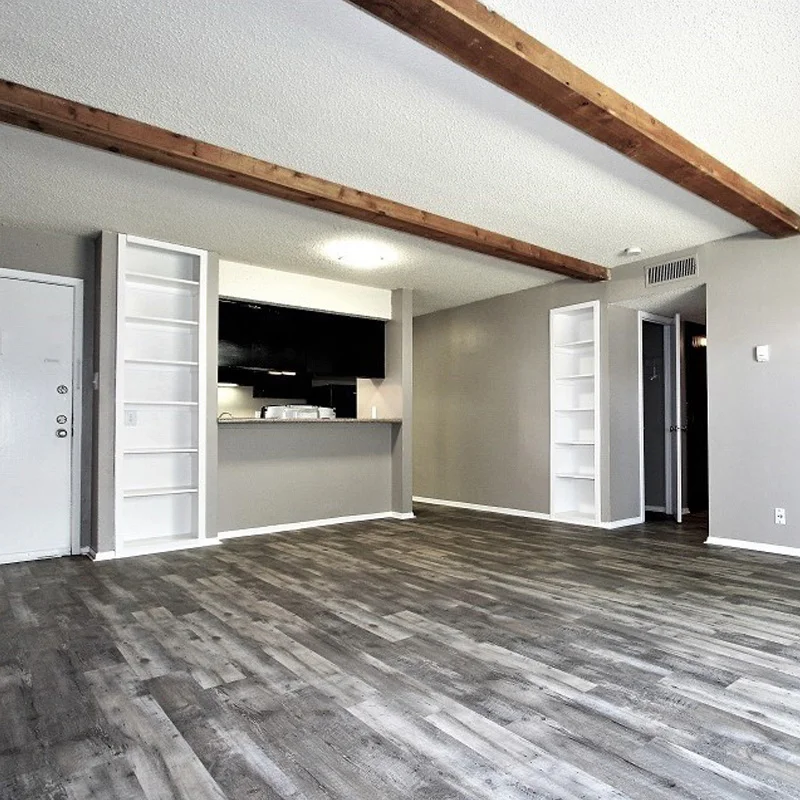
Do not compare floor plans by square footage alone. Storage, bedroom dimensions, kitchen placement, windows, bathroom access, and the usable shape of the living room all influence how comfortable an apartment feels.
During a tour, think about where your furniture will go and whether the layout can support changes in your routine during the lease.
Consider Parking and Transportation Early
Parking can be especially important when choosing a centrally located apartment. Ask whether resident parking is assigned, reserved, covered, limited, or subject to additional charges. If guests visit regularly, understand how visitor parking works as well.
Renters who use public transportation, cycling, or other travel options should evaluate access based on their individual needs. Transportation choices can affect both convenience and monthly expenses, so they belong in the apartment comparison from the beginning rather than being treated as an afterthought.
Prioritize Amenities That Add Everyday Value
A long amenity list is useful only when the features match your lifestyle. Pools, fitness areas, outdoor spaces, resident facilities, package services, and other conveniences can improve the rental experience when they are used regularly.
Before choosing between Austin apartment communities, identify three or four amenities that matter most to you. This keeps attractive but unnecessary features from distracting you from more important considerations such as location, layout, maintenance, and total cost.
Tour the Apartment With a Practical Checklist
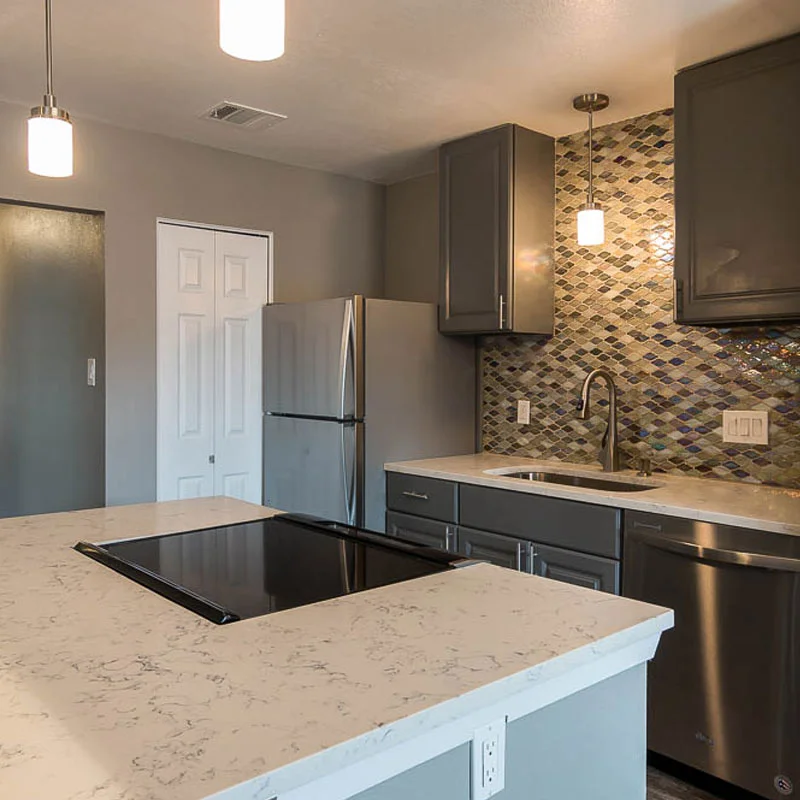
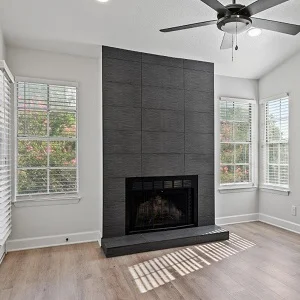
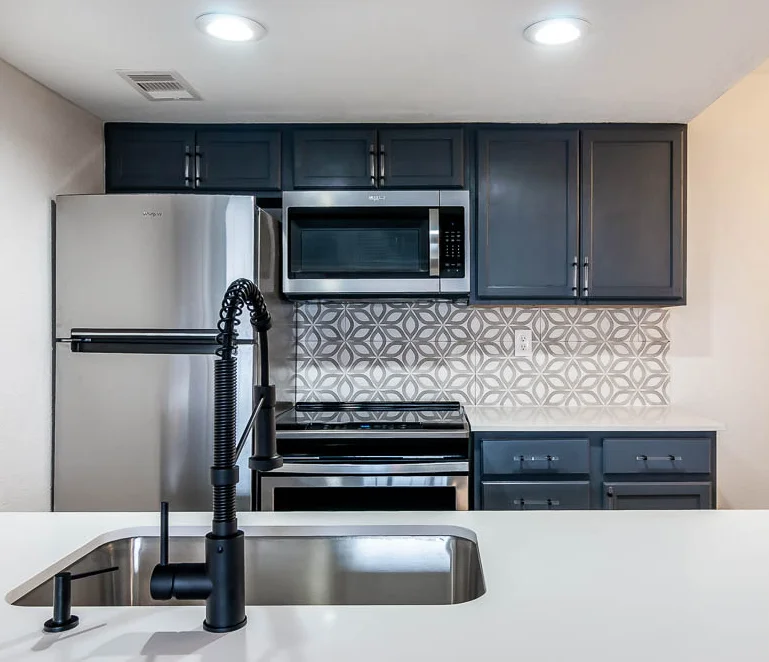
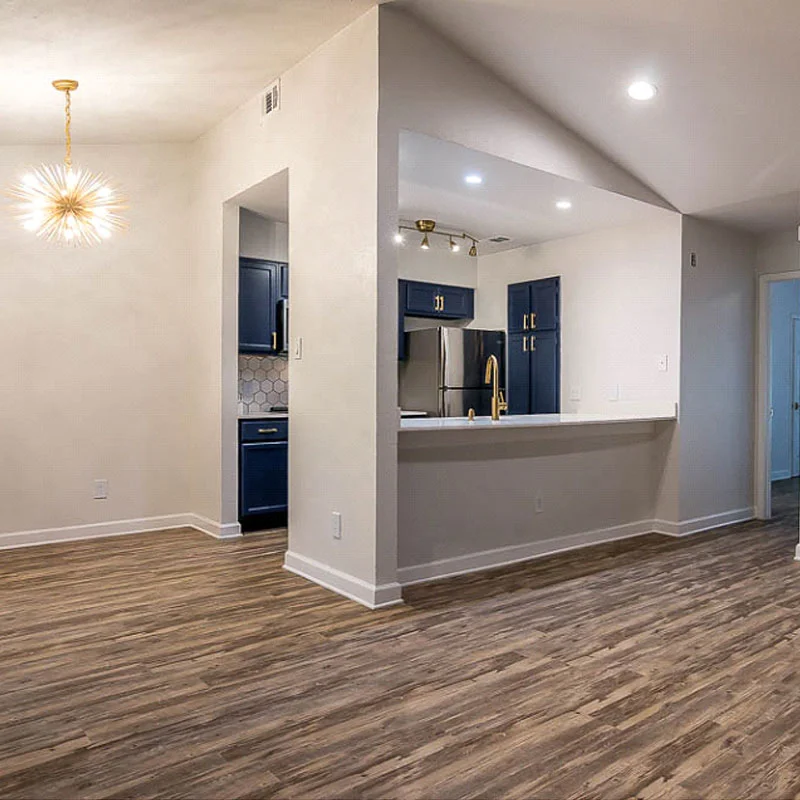
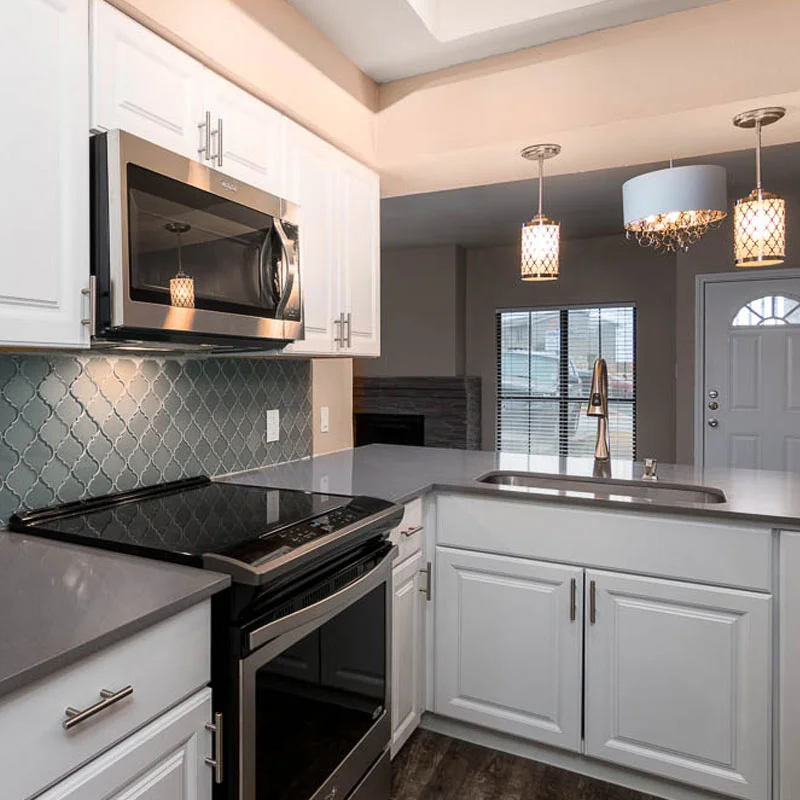
Photographs are helpful for narrowing your search, but an in-person or property-provided tour gives you an opportunity to evaluate details more carefully. Look at natural light, storage, appliances, windows, flooring, plumbing fixtures, bedroom privacy, and the condition of shared areas.
Ask the leasing team how maintenance requests are handled, what utilities residents arrange, how packages are received, and what rules apply to parking, pets, and guests.
Use the same checklist at every property. Consistent notes make it easier to compare several communities after the tours are complete.
Read the Lease and Property Policies Carefully
Before signing, review the complete lease and related community policies. Pay attention to the lease duration, payment dates, deposits, renewal terms, notice requirements, parking arrangements, pet provisions, guest policies, and move-out expectations.
If a term is unclear, request clarification before committing. Written lease terms should guide your decision rather than assumptions about what is included or permitted.
This step is particularly important when comparing multiple communities because similar-looking apartments may have different policies and fee structures.
Think Beyond Move-In Day
A good apartment should continue to work after the excitement of moving has passed. Consider what your typical weekday and weekend will look like several months into the lease.
Will the commute remain manageable? Is the floor plan practical for working from home or hosting visitors? Are the recurring costs comfortable within your budget? Are the neighborhood and community features aligned with the way you actually spend your time?
Evaluating these questions can help you choose for long-term comfort instead of making a decision based only on appearance.
Find the Right Austin Location for Your Lifestyle
Renting close to downtown can offer access and convenience, but the strongest choice comes from balancing location with space, costs, amenities, transportation, and lease terms. Define what proximity means for your routine, compare total expenses, tour carefully, and evaluate multiple options before applying.
Tramor manages apartment communities throughout the Austin area. Explore available Tramor properties and contact the relevant leasing team to confirm current availability, floor plans, pricing, amenities, and property-specific policies before choosing your next home.
Frequently Asked Questions
What should I consider when renting near downtown Austin?
Compare commute time, total monthly costs, parking, floor-plan functionality, amenities, maintenance procedures, and lease terms.
Is living directly downtown necessary for convenient access?
Not always. Some communities outside the downtown core may still provide practical access while offering a different balance of space, location, and value.
What additional costs should I ask about?
Ask about utilities, parking, renter’s insurance, deposits, internet arrangements, pet charges, and any other recurring or one-time fees.
How should I compare apartment floor plans?
Consider usable space, storage, bedroom dimensions, natural light, bathroom access, kitchen layout, and furniture placement instead of square footage alone.
How early should I check apartment availability?
Availability changes regularly, so research before your planned move and contact individual leasing teams for current availability and application timelines.