Apartments in Central Austin: What to Know Before Choosing Your Next Home
Searching for apartments in Central Austin can put you close to many of the places and experiences that make Austin appealing, but choosing the right home requires more than finding a convenient point on a map. Your commute, monthly budget, preferred floor plan, parking needs, neighborhood atmosphere, and access to everyday destinations can all affect whether an apartment works for you long term.
Central Austin can mean slightly different boundaries depending on who is describing the area. For renters, the practical question is usually whether a community provides convenient access to the parts of central Austin they use most. Before applying, compare the property and its surroundings against your actual routine rather than relying on a neighborhood label alone.
Why Rent in Central Austin?
For many renters, the appeal of Central Austin is access. A central location may make it easier to reach employment areas, restaurants, entertainment, educational institutions, parks, services, and other parts of the city. It can also reduce the distance between home and the destinations you visit regularly.
The tradeoff is that location often plays a major role in rental decisions. Apartment size, pricing, parking, building style, and amenities can vary from one community to another. The best option is therefore not necessarily the apartment closest to the center of the city; it is the one that creates the strongest balance between location, cost, comfort, and daily convenience.
1. Define What “Central” Means for Your Routine
Before comparing Central Austin apartments for rent, list the places you need to reach most frequently. That may include an office, university, grocery store, gym, healthcare provider, family, or favorite social destinations.
Then evaluate apartment communities based on travel time rather than distance alone. Austin traffic conditions can change throughout the day, and two properties that appear similarly located on a map may provide very different commuting experiences. If possible, check typical routes during the hours you expect to travel.
2. Build a Realistic Monthly Housing Budget
Base rent is important, but it is not always the complete monthly cost of renting. When comparing apartments in Central Austin, ask what additional charges may apply and which services are included.
Depending on the property and lease, renters may need to account for utilities, internet, parking, pet-related charges, deposits, or other recurring fees. Current pricing and lease terms can change with availability, so confirm the full cost directly with the leasing team before making a decision.
A realistic budget makes it easier to compare communities fairly and prevents a lower advertised rent from distracting from the total cost of living in the apartment.
3. Choose a Floor Plan That Fits Your Lifestyle
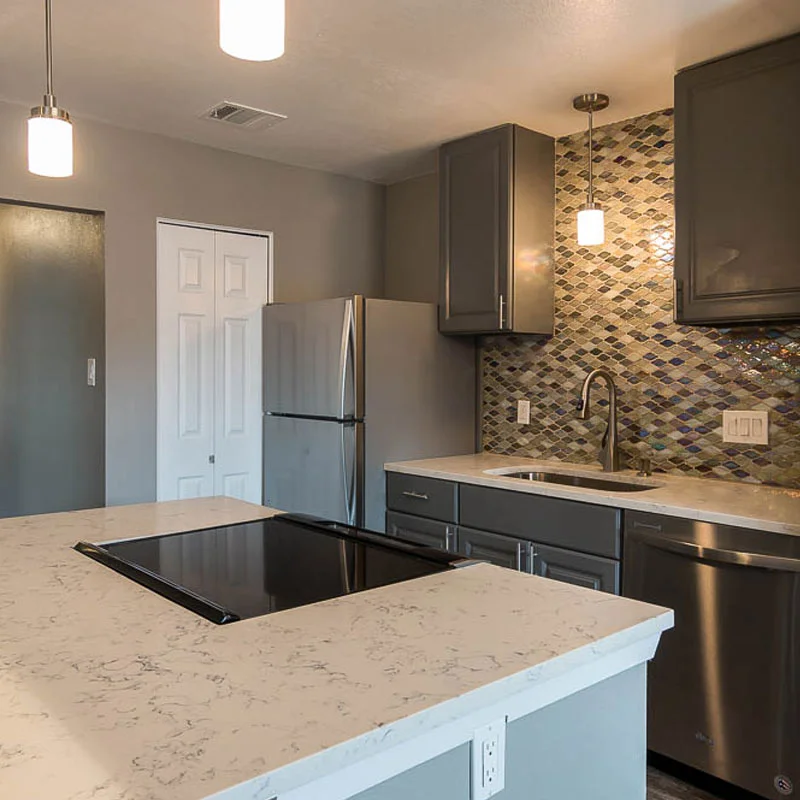
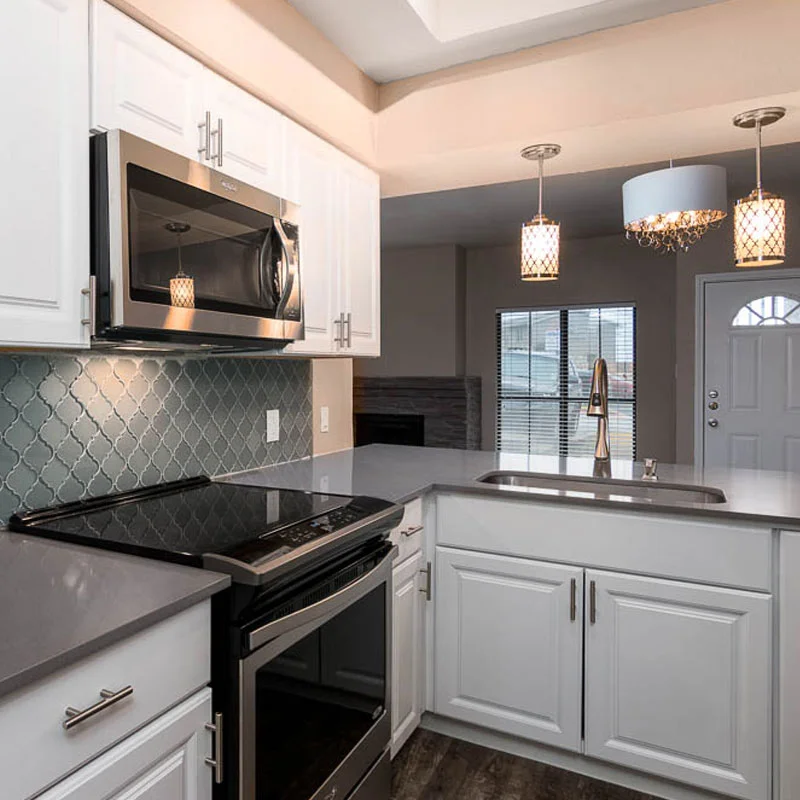
A good floor plan should support the way you use your home. If you work remotely, an area that can function as a workspace may matter. If you live with a roommate, bedroom placement and privacy may become more important. If you cook frequently, kitchen storage and usable counter space could influence your decision.
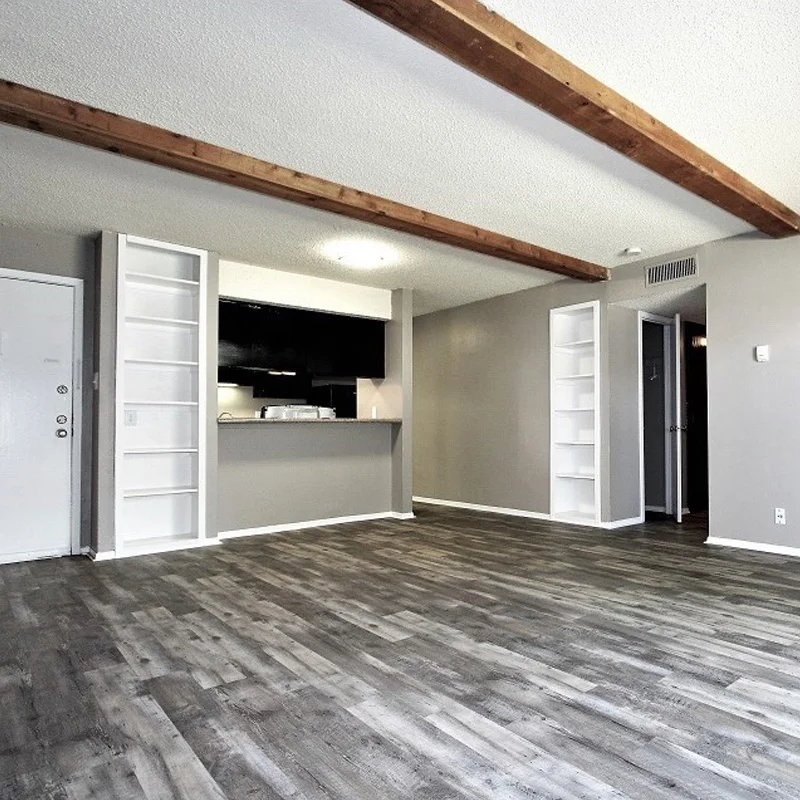
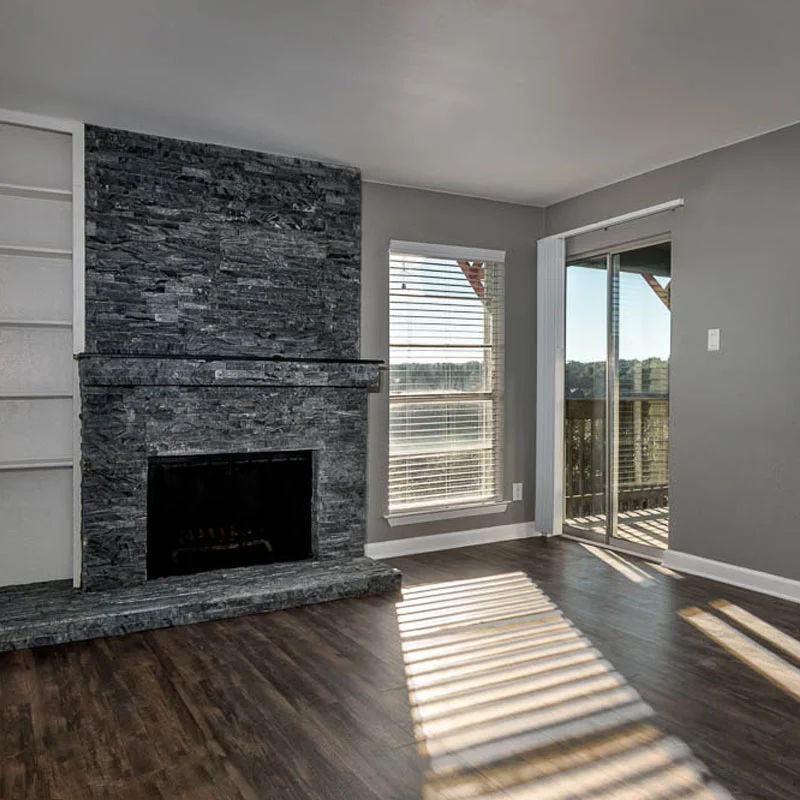
Pay attention to closets, furniture placement, natural light, storage, bedroom dimensions, and the relationship between living and dining areas. Square footage is useful, but an efficient layout can sometimes feel more comfortable than a larger apartment with less practical space.
4. Consider Parking and Transportation
Transportation needs should be part of the apartment search from the beginning. If you drive daily, ask about parking arrangements, guest parking, and access to the roads you use most often. If you rely on other transportation options, evaluate how well the location connects to the destinations in your routine.
The right Central Austin location is the one that makes your normal week easier. A property may be close to popular destinations yet still be less convenient for your specific commute, so test the routes that matter to you before signing a lease.
5. Prioritize Amenities That Add Real Value
Amenities are most valuable when they match your habits. Rather than selecting an apartment because it has the longest list of features, identify the amenities you expect to use consistently.
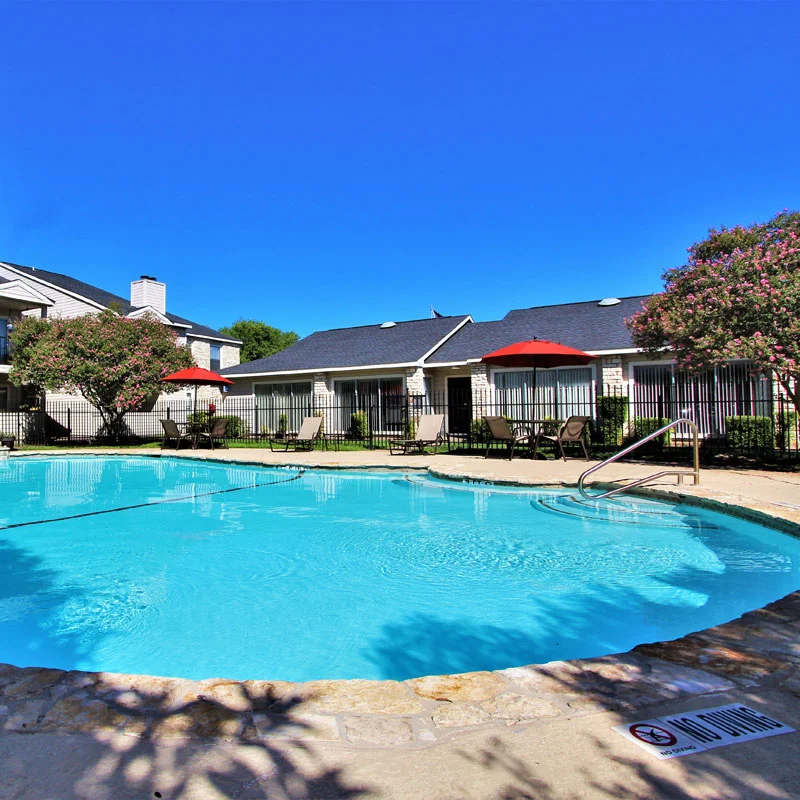
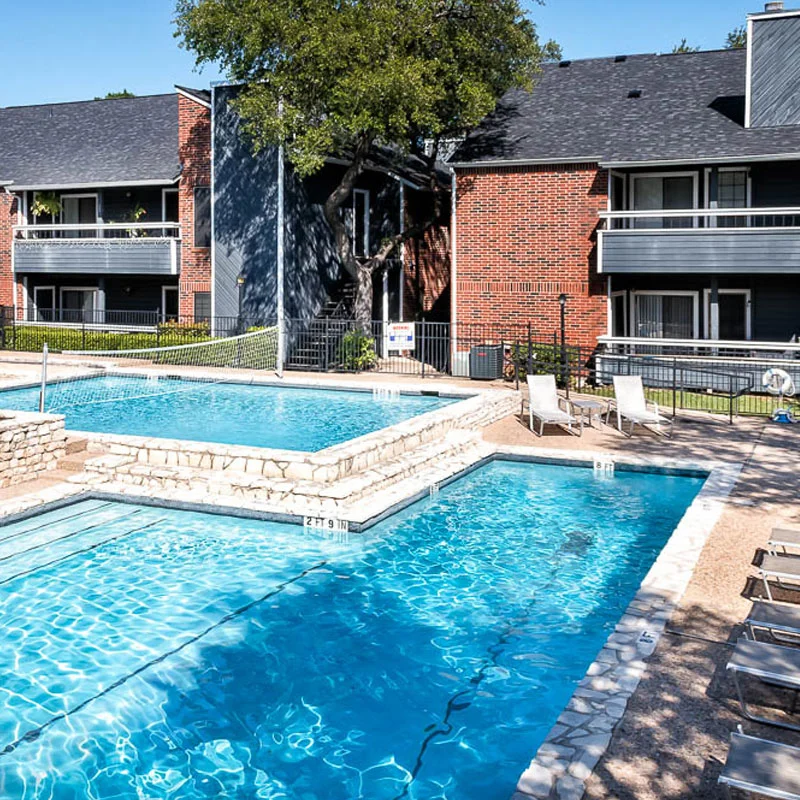
Your priorities might include a pool, outdoor areas, laundry options, pet-friendly policies, parking, or community spaces. Another renter may care more about the apartment layout itself than shared amenities. Decide which features are essential, which are helpful, and which are unlikely to influence your daily experience.
6. Explore the Surrounding Area Before You Apply
The neighborhood around an apartment can matter almost as much as the unit. Visit the area when possible and look at the destinations you would use regularly. Consider grocery options, restaurants, services, recreation, road access, and the overall convenience of completing everyday errands.
It is also useful to visit at different times. Morning traffic, evening activity, and weekend conditions can create different impressions of the same location. Spending time in the area before applying can give you a more realistic picture of what living there may feel like.
7. Ask the Leasing Team Practical Questions
A property tour is an opportunity to gather information that may not be obvious from an online listing. Ask about current availability, lease lengths, application requirements, deposits, parking, pet policies, maintenance procedures, and any recurring charges.
If a particular feature is important to your decision, confirm it directly rather than assuming it applies to every apartment or every lease. This is especially important for unit-specific features, pricing, availability, and policies that may change over time.
8. Compare the Full Living Experience
It can be tempting to make a decision based on one standout feature, such as a location, renovated kitchen, or attractive monthly rate. A stronger comparison looks at the entire experience.
Consider the apartment, community, neighborhood, commute, total monthly cost, and leasing terms together. Creating a simple shortlist of must-haves and nice-to-haves can help you compare properties more objectively and avoid choosing a home based on a feature that matters less after move-in.
Finding an Austin Apartment With Tramor
Tramor offers apartment communities across the Austin area, allowing renters to compare different locations, layouts, and community environments. If Central Austin is your preferred area, review the communities that align with your location needs and then contact the appropriate leasing team for current information.
Availability, pricing, floor plans, lease terms, pet policies, and property features should always be confirmed with the individual community. Taking the time to compare those details can help you narrow the search to apartments that fit both your lifestyle and budget.
Final Thoughts
The search for apartments in Central Austin becomes easier when you define what matters before you begin touring. Start with the destinations you use most, establish a realistic housing budget, determine the floor plan and features you need, and compare the surrounding area as carefully as the apartment itself.
Central Austin offers renters access to many parts of the city, but the right home is ultimately the one that supports your own routine. Compare your options carefully, ask detailed questions, and choose based on the combination of location, cost, space, and everyday convenience.
Frequently Asked Questions
What should I consider when searching for apartments in Central Austin?
Consider your commute, total monthly housing cost, floor plan, parking, pet needs, apartment features, and access to the destinations you use regularly.
Is Central Austin a convenient place to rent?
It can be convenient for renters who value access to central parts of the city. The right location depends on your workplace, daily destinations, transportation needs, and budget.
How should I compare Central Austin apartment prices?
Compare more than base rent. Ask about utilities, parking, pet-related costs, deposits, recurring fees, and other lease expenses so you can estimate the overall monthly cost.
What should I ask during an apartment tour?
Ask about current availability, lease terms, application requirements, parking, pet policies, maintenance procedures, recurring charges, and any features that are important to you.
How can I check current Tramor apartment availability?
Review Tramor’s apartment communities and contact the relevant leasing team for current pricing, floor plans, availability, policies, and lease information.